
Inspiring Change Every Day with Grace
Desire and Dopamine Addiction

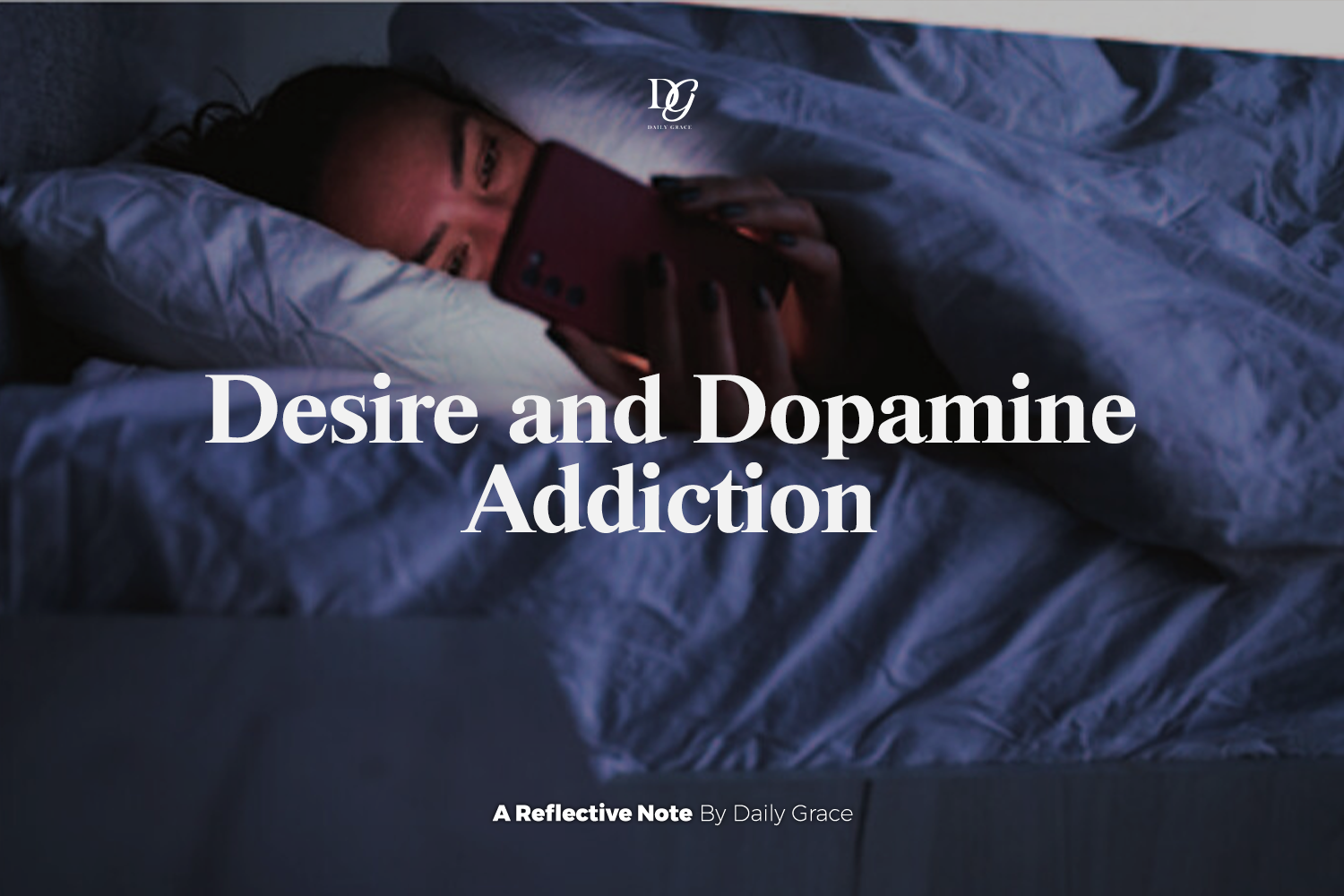
Desire was never designed to be hijacked, but it has become the order of the day in this dispensation. What used to move us toward meaningful goals now gets redirected toward instant stimulation.
A notification lights up. A like appears. A message vibrates. A drink relaxes the edge. A quick scroll fills the silence. Each moment releases a small rush of dopamine—the brain’s reward chemical and suddenly desire loses its essence.
Now, here is the insight : dopamine is not the problem. It is part of how we learn, bond, and pursue purpose. But when it becomes tied to constant novelty, validation, and quick pleasure, desire starts declining and eventually loses momentum.
Instead of longing for growth, we begin craving instant gratification. Instead of building intimacy, we chase attention. Instead of enduring the momentary discomfort of discipline, we feed the spark of urgency. The danger lies in the dependency of speed, not pleasure per se.
Dopamine-driven desire is characterised by restlessness. It constantly refreshes, checks, anticipates. It deludes you that relief is one swipe away,that one more post will bring affirmation , that a little sip helps you to escape reality. But the relief is short-lived. The brain quickly adapts, demanding more intensity for the same effect. What once satisfied you for minutes now lasts seconds.
Think of it like snacking all day on sugar. The taste is sweet, the energy is quick, but the nourishment is shallow. You become weak along the way — you feel drained instead of fulfilled. Eventually, you lose focus in carrying out your duties effectively and efficiently.
In the same manner, scrolling for validation, seeking attention to feel worthy, using substances to soften discomfort are patterns that promise comfort yet gradually eliminate resilience. They condition your mind to avoid boredom, discomfort, and silence. Hence, impeding growth associated with those moments of tenacity.
There is nothing shameful about enjoying pleasure. The issue arises when instant pleasure replaces purpose . When your mood depends on notifications. When your self-worth depends on responses. When your peace depends on a substance. When you lose focus without constant stimulation. That is when desire becomes controlling.
The good news, however, is that your brain can be retrained. Dopamine responds to intentional structures, systems, and strategies. To overcome dopamine addiction, you must deploy a modus operandi that overcomes constant stimulation and instant gratification.
Replace passive scrolling with active creation such as writing, studying, moving your body. Strengthen relationships that involve conversation rather than performance. Learn to tolerate boredom without rushing to numb it. These small disciplines restore balance and deepen your capacity for lasting joy.
Another powerful practice is redefining reward. Celebrate effort, not just outcomes. Find satisfaction in consistency. Have regular self -appraisals sessions to track your progress. Let fulfillment come from alignment with your values. When your desire reconnects with purpose, dopamine loses its dominion.
Desire matures when it learns to wait, to build, to invest in what lasts. The loudest pleasures are rarely the deepest ones. Real fulfillment grows quietly, steadily, and without constant flashing lights.
©️ No Copyright infringement intended.PS: Kindly Follow our WhatsApp Channel at https://whatsapp.com/channel/0029VawUlQGBPzjQXzs6fX2Q for more engaging content.