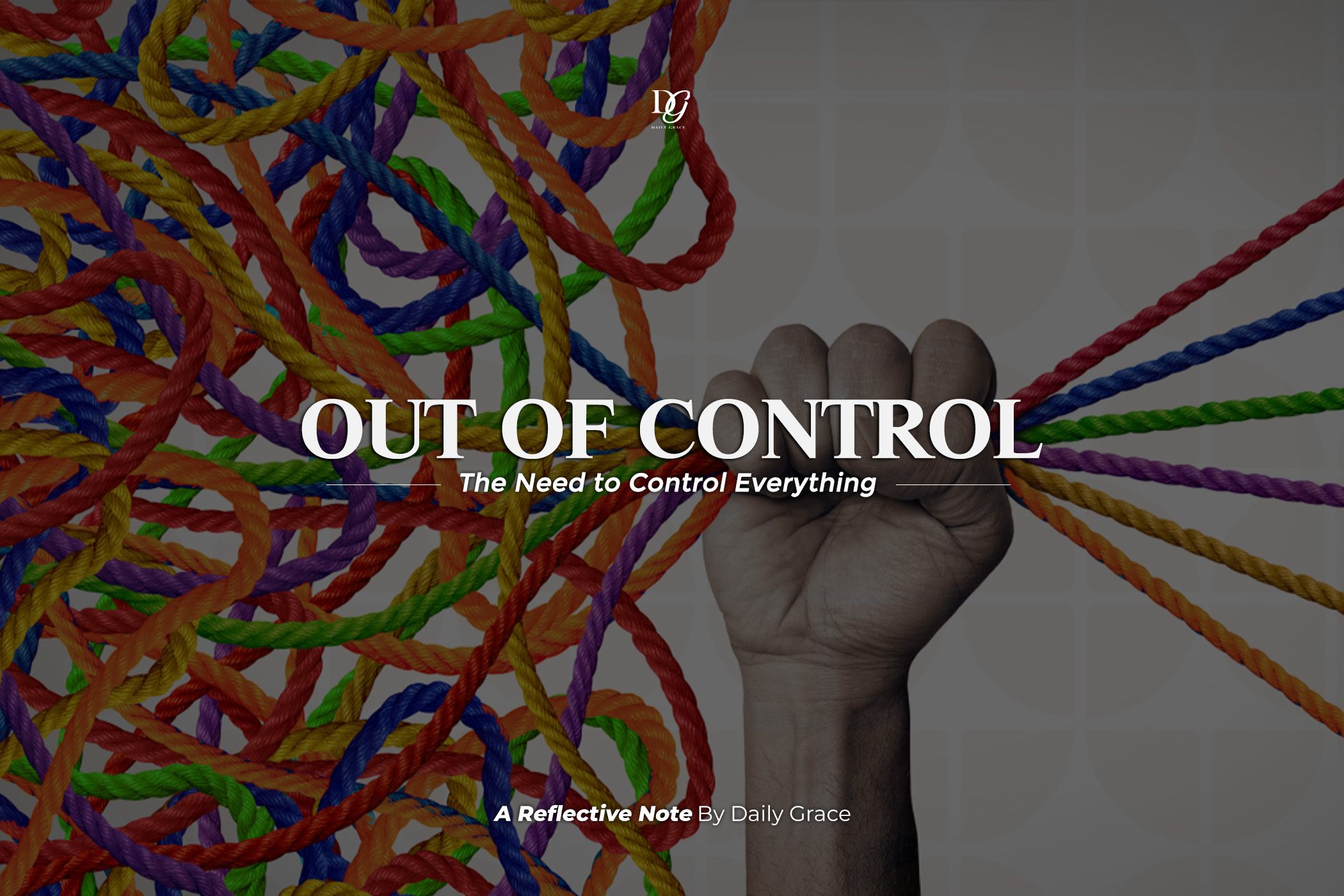
It feels independent to do things on your own. It sounds great, and sometimes, it even looks admirable. But honestly, has anyone ever done anything without help, support or counsel?
Independence is not wrong, but real, sustained, and meaningful growth rarely happens in isolation. At some point, what you can do alone will no longer be enough for where you want to go.
In many ‘everyday situations’, this plays out more subtly than we admit. The young entrepreneur trying to run everything from marketing, to finances and to operations and the skilled worker refusing help, believing no one will meet their standard, only to end up stuck at the same level.
Even in friendships, some people carry all the emotional weight, thinking strength means self-sufficiency. These patterns are not just about capacity; they are about control, fear, and sometimes a lack of trust.
Think of strategic partnerships like building a house. You may know how to lay bricks, but without someone who understands wiring, plumbing, or structure, the building remains incomplete. In the same way, your vision may be clear, your drive strong, but your perspective, skills, and reach are limited to your own experience. Partnerships expand what is possible, not by replacing your effort, but by multiplying it.
Psychologically, many people resist partnerships because of past disappointments. Maybe they trusted the wrong person, got exploited, or were let down when it mattered. So they respond by closing off, choosing control over collaboration. It feels safer. But safety can also become a cage. Avoiding partnership entirely does not eliminate risk; it only limits growth. The wiser approach is not isolation but discernment: learning to choose people better, not avoid people completely.
Oftentimes, there are people with brilliant business ideas but no capital, trying to push alone instead of seeking aligned partners. Or someone with access to resources but no execution, unwilling to collaborate because they fear being cheated. Meanwhile, the few who understand partnership, who combine skills, share risk, and build trust often move faster and further. Not because they are luckier, but because they are not carrying everything alone.
A strategic partnership is not about collecting people or jumping into every collaboration. It is about alignment, shared values, clear expectations, and mutual benefit. It is knowing what you bring to the table and recognising what you lack without shame. It is also understanding roles, who does what, who is responsible for what, and how decisions are made. Many partnerships fail not because people are bad, but because clarity was missing from the beginning.
There is also a street-smart side to this. Not everyone who offers help is a partner. Some are opportunists. Strategic growth requires observation. Watch how people handle small responsibilities before trusting them with bigger ones. Notice consistency, not just enthusiasm. Pay attention to how they treat others, not just how they treat you. Partnerships are built on patterns, not promises.
At the same time, you must become someone worth partnering with. Reliable, clear and honest about what you can and cannot do. Partnerships are not just about finding the right people; they are also about being the right person. When both sides bring value, respect, and commitment, the relationship becomes a structure that can hold pressure, adapt to challenges, and grow over time.
©️ No Copyright infringement intended.
PS: Kindly Follow our Whatsapp Channel at for more engaging content.