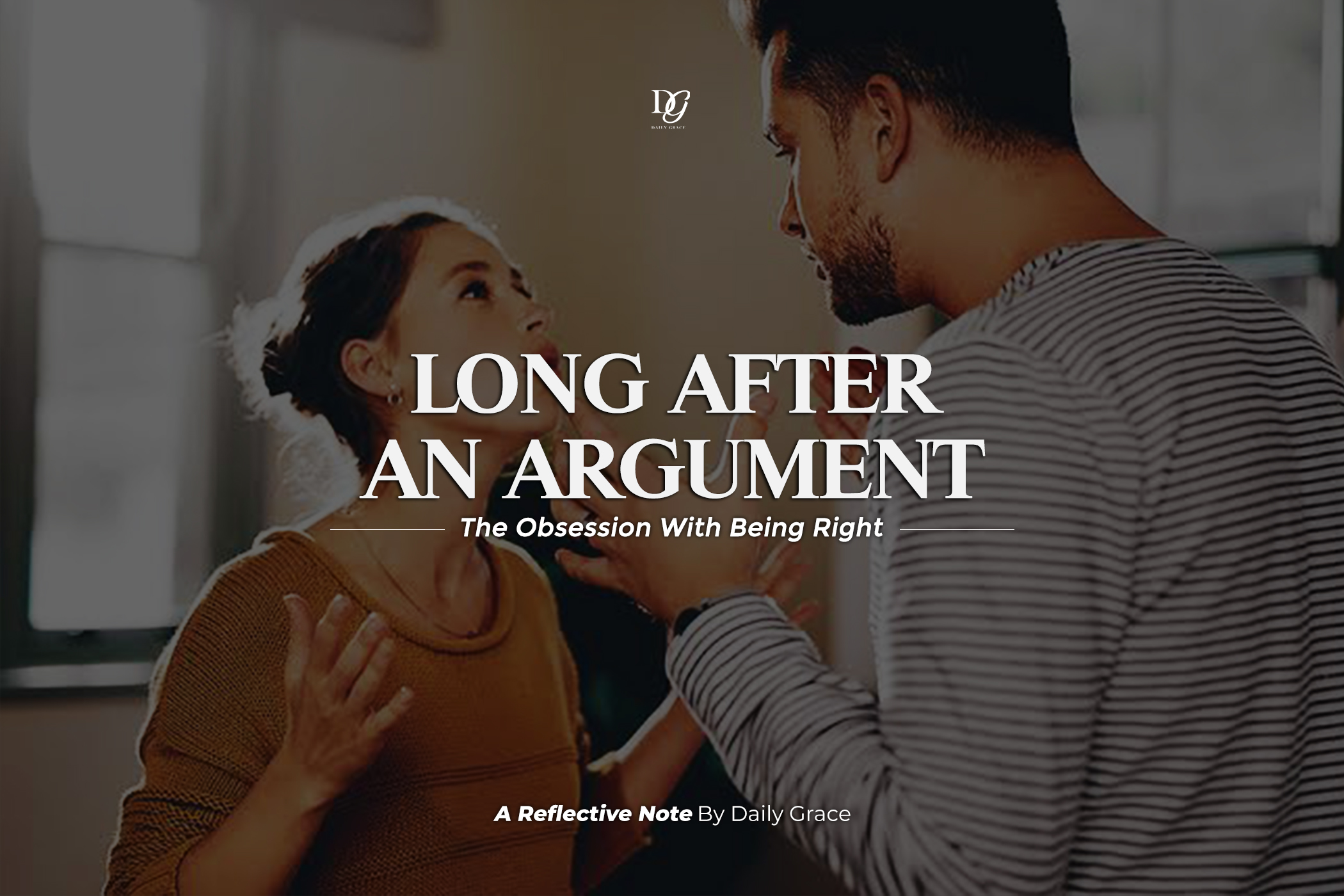

One of the earliest signs that a partnership may become unhealthy is imbalance. This happens when one person is constantly pushing, checking in, sacrificing, contributing, adjusting, or solving problems, while the other remains passive, inconsistent, or conveniently absent until benefits appear.
Strategic partnerships are not built on excitement alone, they are sustained by shared investment. This does not mean both people contribute in the same way, but it means both people carry weight intentionally.
In healthy collaborations, effort may look different, but responsibility is visible on both sides. One person may bring capital while the other brings execution. One may have connections while the other drives operations. The issue is not equality in form, it is equality in commitment.
Many people ignore imbalance early because they are emotionally attached to the idea of the partnership. Sometimes the person is a longtime friend. Sometimes there is pressure to build together. Sometimes there is fear of starting alone. So they overcompensate. They cover gaps, make excuses, absorb disappointments, and continue investing more energy than the relationship can return. What begins as loyalty slowly becomes silent resentment.
A partnership in which only one person is emotionally, financially, or mentally invested often leads to hidden exhaustion. The more committed person begins to feel like a parent instead of a partner. They constantly follow up, remind, initiate, and repair. Meanwhile, the less invested person becomes comfortable receiving the benefits of the effort they did not fully contribute to. Over time, respect quietly erodes because responsibility was uneven from the beginning.
Unfortunately, people often tolerate these dynamics because they confuse being needed with being valued. Carrying the entire relationship can create a temporary sense of importance. But strategic partnerships are not supposed to survive on one person’s constant sacrifice. A strong bridge collapses when all the weight rests on one side. Real partnership requires mutual ownership, not one person dragging the vision while the other watches from a distance.
Relational intelligence and strategic thinking require early observation. Notice patterns before promises. Pay attention to consistency before chemistry. Who follows through without being chased? Who contributes when there is no immediate reward? Who disappears during difficult stages but reappears near success? These patterns matter more than motivational speeches or emotional closeness.
This does not mean abandoning people at the first weakness. Healthy partnerships allow room for human struggle, changing seasons, and honest conversations. But wisdom also recognises the difference between temporary difficulty and chronic disengagement. Some people need support; others enjoy being carried. Strategic partnerships require enough honesty to know the difference.
Sometimes the smartest decision is not ending the partnership immediately, but adjusting the structure. So, when necessary clarify expectations, define roles, tie rewards to contribution and stop assuming commitment where there is only convenience. Strong partnerships survive clarity; weak ones resist it.
In the end, a partnership cannot grow sustainably when only one person is emotionally awake inside it. Shared vision without shared investment eventually becomes a burden disguised as loyalty.
©️ No Copyright infringement intended.
PS: Kindly Follow our Whatsapp Channel at for more engaging content.