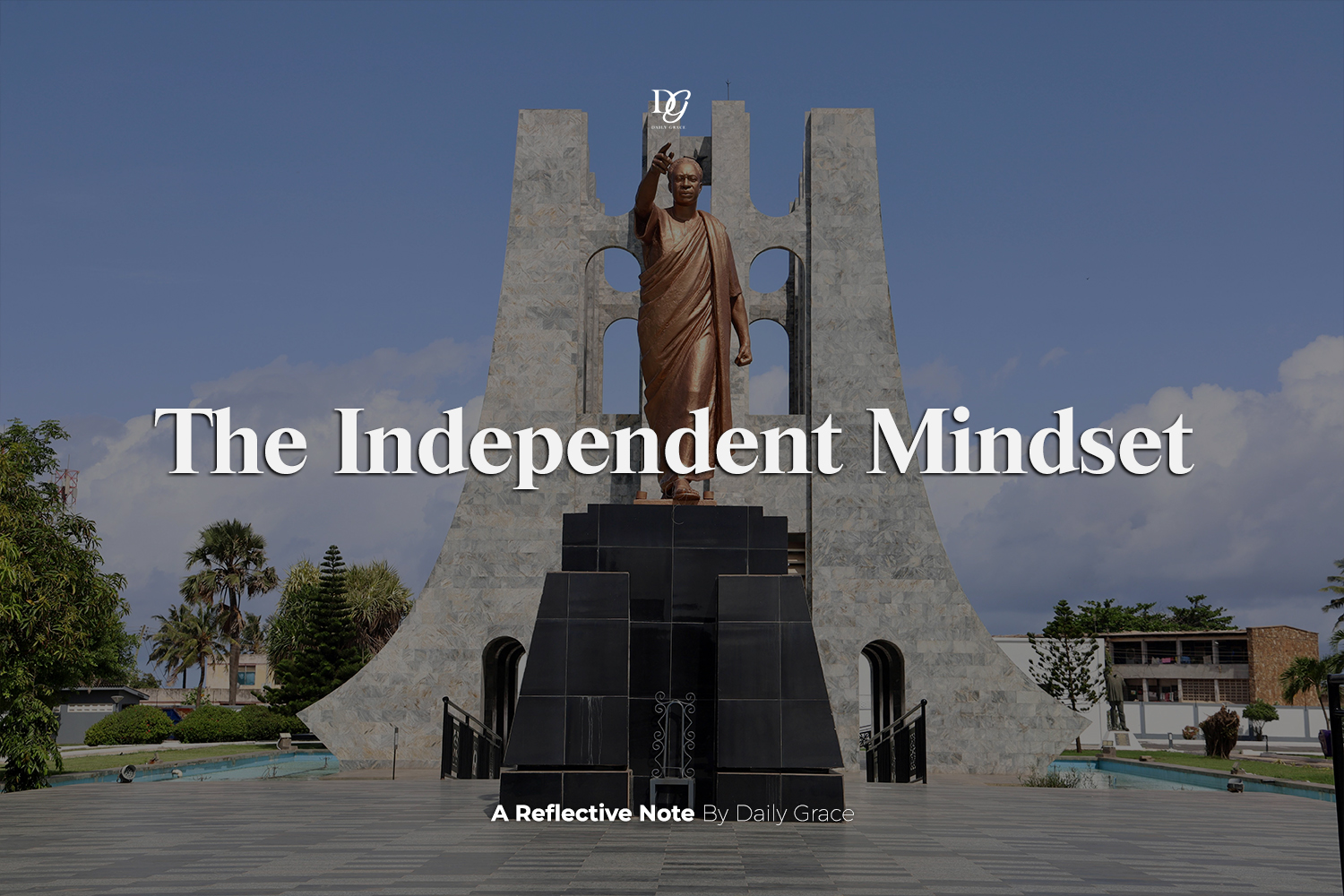
In 1957, when Ghana became the first sub-Saharan African country to gain independence from colonial rule, there was an overwhelming sense of hope. Political freedom had finally arrived.
The Ghanaian flag was raised, colonial administration was dismantled, and a new chapter began. Yet beneath the celebrations was a reality that would take generations to understand fully. While political power could be transferred overnight, the beliefs and mindsets people held about who they were would take much longer to change.
For decades before independence, colonial systems had done more than govern territories. They had shaped perceptions. The language of power was English. The path to influence often required adopting foreign customs. Western education became the standard by which intelligence was measured. European dress was associated with professionalism. These patterns were reinforced over generations until they felt normal and natural.
Today, many of those influences remain visible, though often in subtle ways. In some spaces, speaking eloquently in English can still create assumptions of intelligence or exposure. Fairer skin tones are often celebrated and desired more than darker shades.
Imported products are preferred and sometimes perceived as superior before their quality is even examined. Foreign lifestyles are frequently admired, shared, and imitated online, while local traditions are occasionally dismissed as outdated or unsophisticated. The question is not whether these preferences exist. The question is why they continue to carry such influence decades after independence.
The answer is complex, but I believe that people naturally associate success with whatever appears powerful, respected, or rewarded. Also, colonial rule created systems where advancement was closely linked to foreign standards. Gradually, these associations became deeply embedded, not just in institutions, but in culture and psychology. Turning what began as political domination into cultural influence, shaping how people viewed themselves and each other.
Yet this reflection is not an argument against global influence. The deeper issue is not foreign influence itself. It is the loss of conscious choice. Cultural adaptation becomes unhealthy when people stop asking why they prefer certain things and simply follow whatever is celebrated. In such moments, identity slowly shifts from conviction to imitation.
A healthier response requires balance. It means remaining open to learning from the world while staying grounded in self-awareness. It means appreciating innovation without automatically dismissing local wisdom. It means recognising that confidence does not come from copying another culture perfectly, but from engaging with the world without feeling ashamed of one’s own.
History teaches an important lesson: political independence is only one form of freedom. Cultural and psychological independence require something deeper, the courage to examine inherited beliefs and decide which ones deserve to continue shaping the future.
©️ No Copyright infringement intended.
PS: Kindly Follow our Whatsapp Channel at for more engaging content.