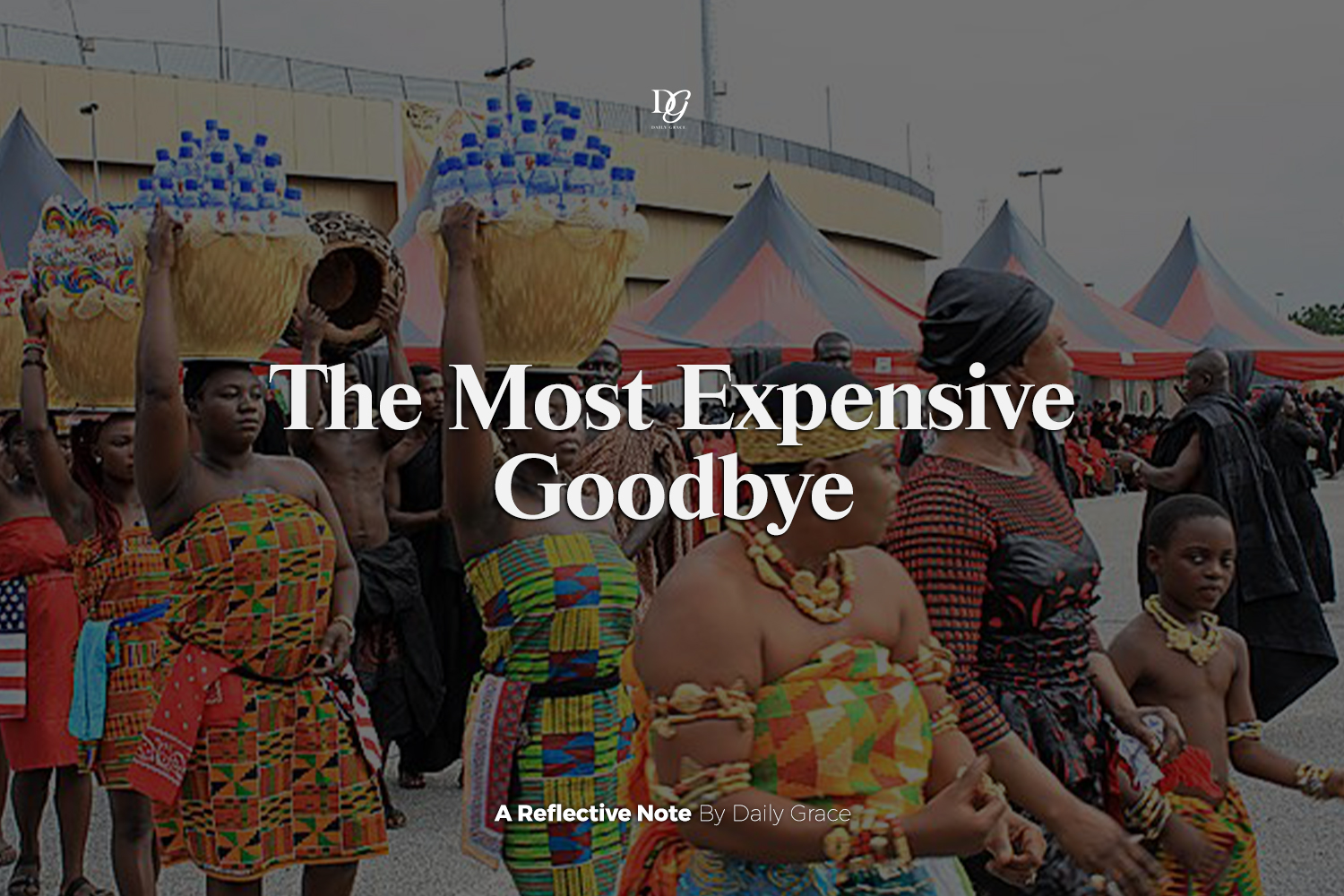
To date, I still find it fascinating that many of our societies readily embraced Western wedding ceremonies, yet never felt the same urgency to adopt Western funeral traditions.
We borrowed the white gown, the bridesmaids, the exchange of rings, the reception format, and many of the accompanying customs. Yet when it comes to how we mourn, bury our dead, and honour the departed, we largely retain our own cultural practices.
This observation has often left me wondering: what determines which influences we embrace and which ones we resist? However, I noticed that we do not simply adopt cultures, we actually select from them.
Some influences feel attractive, aspirational, prestigious, or convenient. Others feel uncomfortable, unfamiliar, or threatening to our sense of identity. In other words, adaptation is often driven less by objective evaluation and more by emotion, perception, and social reward.
Wedding ceremonies provide a useful example. For many people, Western weddings became associated with elegance, status, romance, modernity, and global acceptance. They offered a picture that many aspired toward.
Funerals, however, carry different emotional and cultural meanings. They are deeply connected to ancestry, family identity, spiritual beliefs, and communal traditions. Changing them would require altering something far more emotionally rooted. One practice was perceived as adding value; the other felt like replacing something sacred.
This made me realise that culture does not change evenly. We tend to adopt influences that enhance our aspirations and resist those that challenge our emotional foundations. The same pattern appears everywhere.
We may embrace foreign fashion but resist foreign parenting styles. We may adopt global business practices but reject foreign views on family responsibility. We may consume international entertainment while fiercely protecting local traditions around birth, death, religion, or community life.
Looking back, I believe the healthier response is neither blind resistance nor blind acceptance. Perhaps the goal is to become more conscious. To know why we keep certain things. To know why we let others go. To ensure that what shapes our lives is not merely what the world celebrates, but what genuinely serves our growth, identity, and humanity.
In the end, the most powerful cultural choices are not the ones we inherit or imitate. They are the ones we understand.
©️ No Copyright infringement intended.
PS: Kindly Follow our Whatsapp Channel for more engaging content.