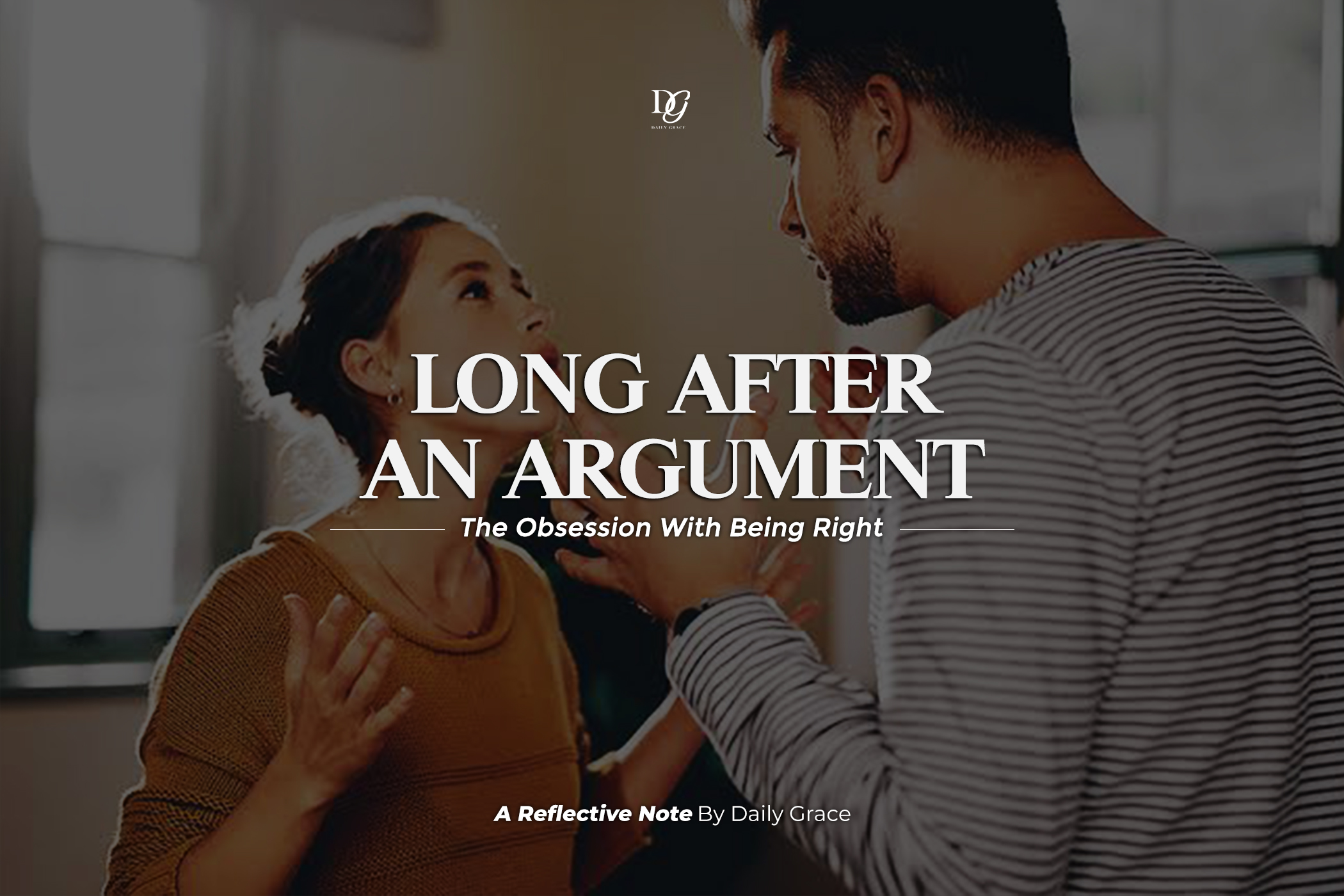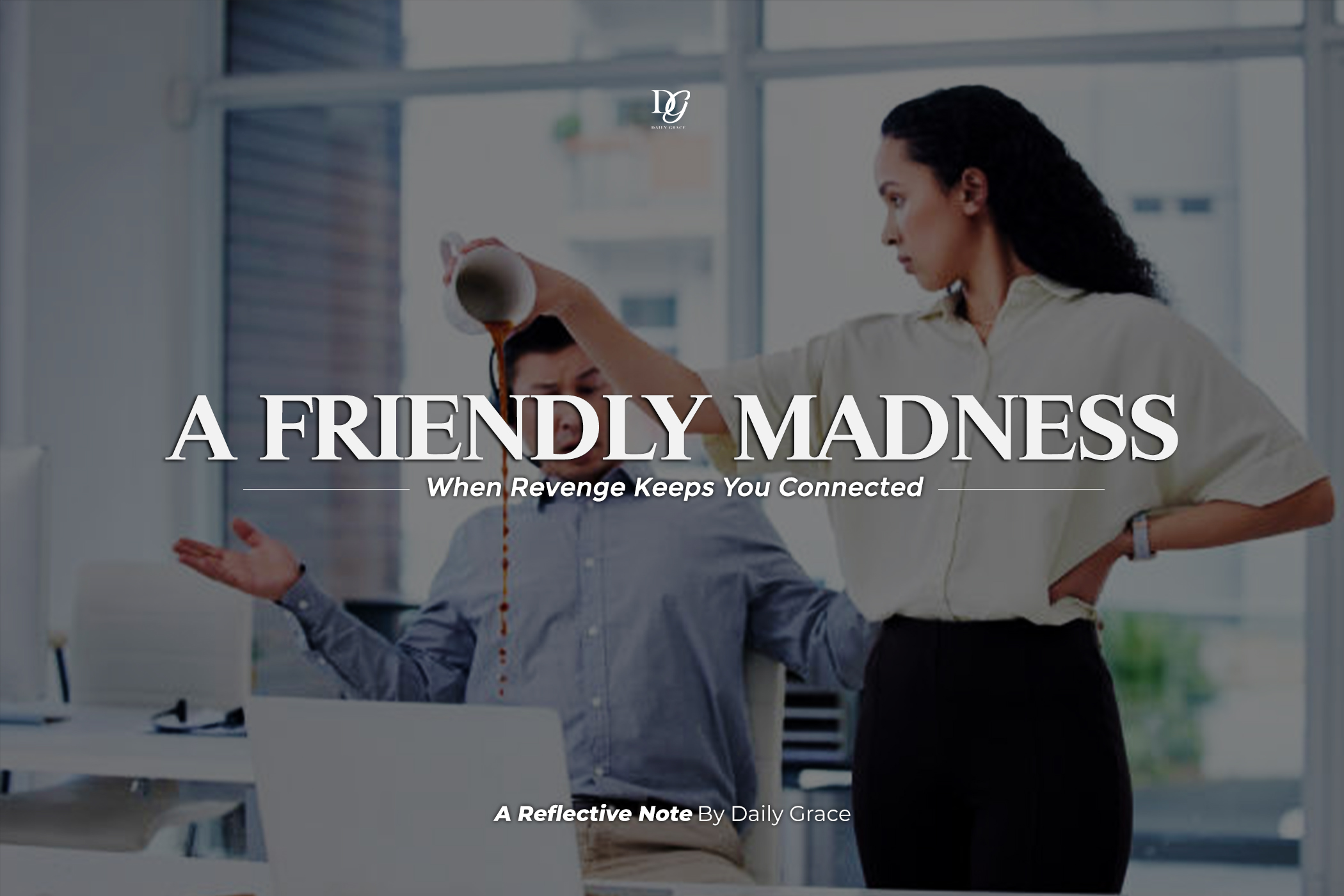
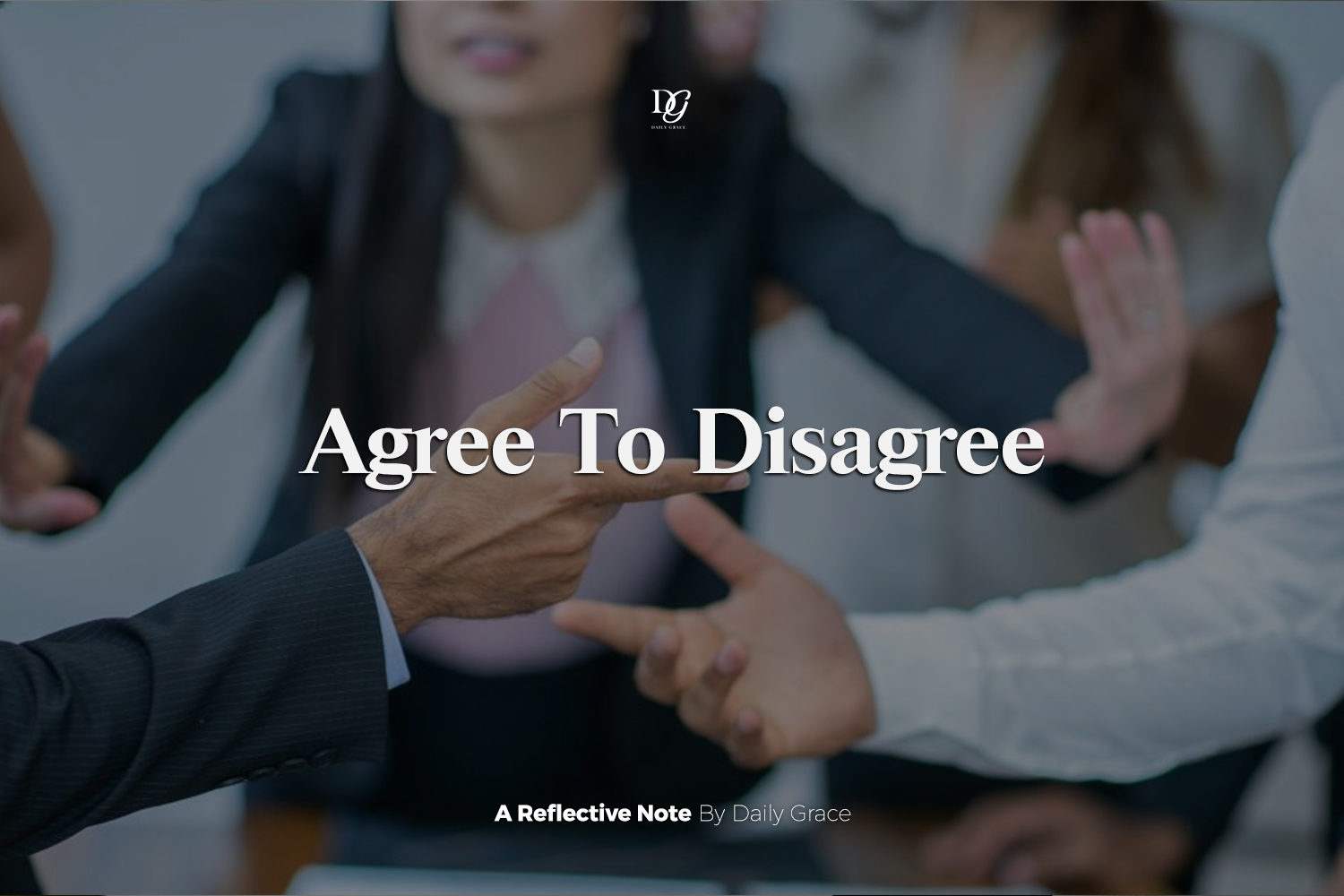
Many people enter partnerships hoping for harmony, but very few prepare for disagreement. Conflict is not usually a sign that something is broken. Sometimes, it is proof that people care enough to bring different perspectives to the table.
The real danger is not conflict itself, but the emotional immaturity that often follows it. Most partnerships collapse because the parties involved do not know how to disagree without turning each other into enemies. Conflict, especially in strategic partnerships, when handled wisely, becomes part of the growth itself.
Think about two people paddling the same canoe across a river. If both paddle without coordination, the canoe drifts or flips. But if they learn rhythm, correction, and timing, the journey becomes smoother even when the water gets rough.
Partnerships work the same way. Whenever different minds, personalities, and ambitions come together, friction is inevitable. In business, a partner may prioritize speed while another values caution. Someone may communicate directly in relationships while the other prefers silence before processing emotions. Disagreement is often not the real issue. The challenge is whether both people possess the maturity to handle tension without damaging trust.
One common mistake people make during conflict is assuming bad intentions too quickly. In modern friendships, relationships, ministry groups, and business collaborations, many people interpret mistakes with emotions instead of getting clarity on the issues at hand first before making decisions with wisdom and maturity. This often creates growing misunderstandings, thereby rendering the partners inefficient.
Let’s say someone delays replying to messages, the others begin to assume that the fellow doesn’t respect them anymore. Or maybe a partner questions an idea, and suddenly it feels like sabotage. Human psychology naturally reacts defensively when identity feels threatened. However, strategic thinkers learn to separate perception from reality. They understand that not every difficult conversation is an attack.
Healthy conflict needs emotional regulation. This has to do with partners learning how to speak without humiliating, correcting without insulting, and listening without preparing counterattacks in their mind. Some people only listen long enough to defend themselves. Others use silence as a weapon until resentment hardens inside them like cement.
Mature partnerships are sustainable when people create space for honest conversations before bitterness grows roots. Timing matters too. Addressing sensitive issues in anger usually produces heat instead of clarity. Wisdom is to know when to speak, how to speak, and when emotions need cooling before solutions can be brought forth.
A practical lesson many successful partnerships understand is this: focus on solving the problem, not defeating the person. In many conflicts, people unconsciously shift from “How do we fix this?” to “How do I prove I’m right?” Once pride gets the better of the situation, collaboration shifts into competition. Consequently, the shared vision is compromised.
Consider two co-founders running a small food business. One wants to expand quickly while the other worries about unstable finances. If both become obsessed with winning the argument, the business suffers. If they approach disagreement with curiosity instead of pride, conflict becomes useful. One person’s caution may protect the company from reckless decisions while the other’s ambition prevents stagnation. Sometimes the very tension frustrating you is what protects the partnership from blind spots.
Conflict refines partnerships the same way fire refines gold. It exposes weaknesses, clarifies expectations, and deepens understanding when handled maturely. The healthiest partnerships are not the ones without disagreements. They are the ones where people have learned how to stay honest without becoming destructive. In a world where many people cut others off at the first sign of tension, there is rare strength in learning how to repair instead of simply replace.
©️ No Copyright infringement intended.
PS: Kindly Follow our Whatsapp Channel at for more engaging content.