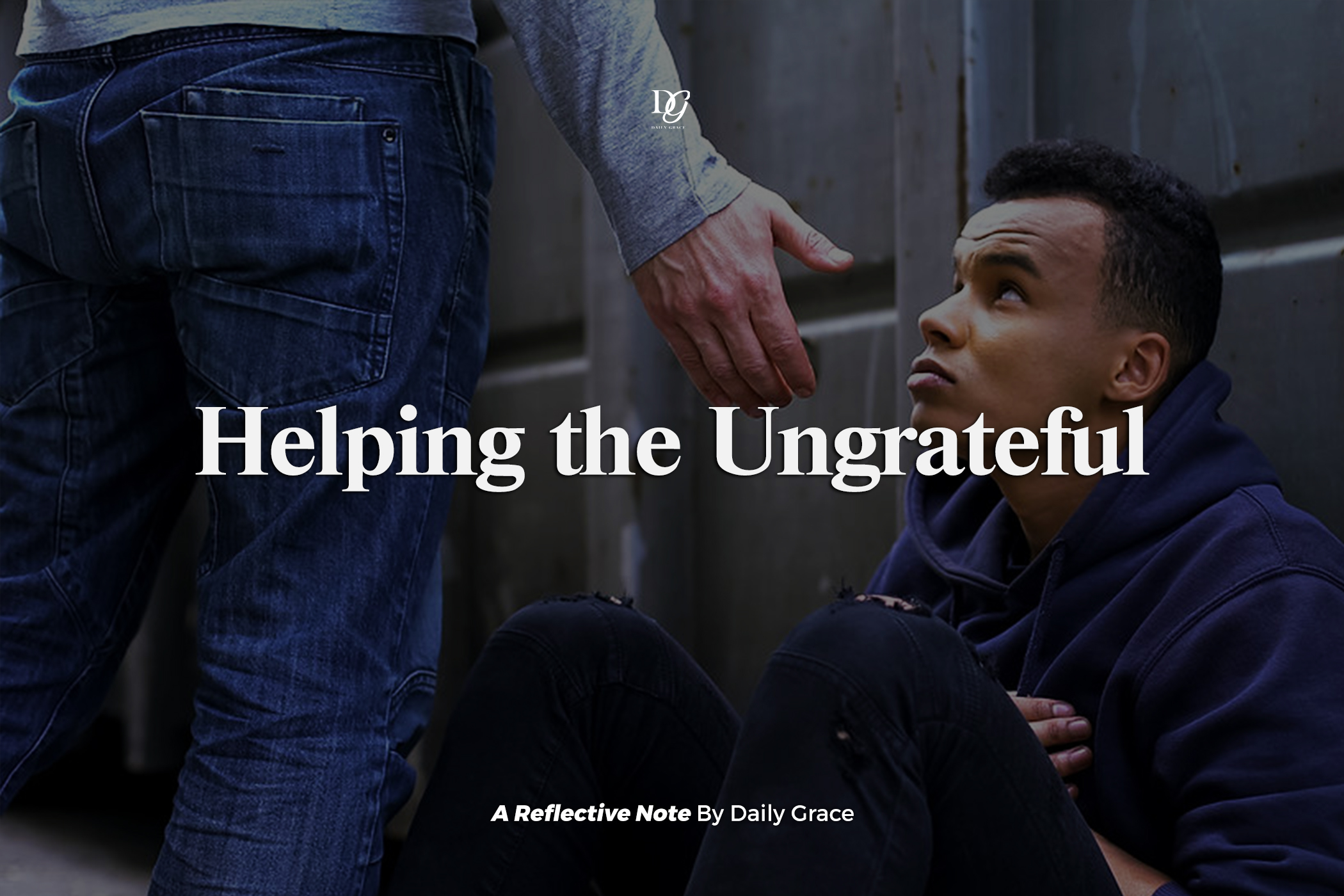
She had become a source of support to a family she cared about. She helped them financially whenever she could. To them, she was dependable. If there were a difficult month, she would help. If money was needed, she often found a way.
Over time, her generosity became so familiar that they stopped seeing it as generosity and started seeing it as something they could expect.
Then one afternoon, something happened that she was never meant to hear. The family had just gotten off the phone with her and were talking about her, but they forgot to end the call. She heard them jokingly refer to her as ‘Mother Christmas.’ What hurt even more was the conversation that followed.
The money she had sent them, which represented a sacrifice on her part, was described as ‘chicken change.’ They spoke as though what she had done was insignificant and complained that she could do much more. She was stunned.
The people she had been helping were not simply ungrateful; they had apparently begun to measure her generosity against what they believed she should be giving.
There is a particular kind of pain that comes when you discover that something you offered sincerely has been interpreted as an obligation. It is one thing for someone not to thank you. It is another thing to discover that your sacrifice has been discussed as though it were inadequate.
Suddenly, the help you gave begins to feel foolish. You start revisiting every contribution, every sacrifice, every time you chose their needs over your own. You wonder whether they ever saw your heart at all.
Goodwill does not require us to tolerate exploitation. There is a difference between giving without demanding applause and allowing people to develop an entitlement to our resources. If someone repeatedly treats generosity as a duty, dismisses sacrifice, or pressures us to keep giving beyond our capacity, then by wisdom boundaries must be applied.
What interests me most is how quickly repeated kindness can become invisible. When someone consistently pays school fees, sends money, provides meals, recommends people for jobs, or rescues others from difficult situations, the extraordinary can gradually become ordinary.
Human beings adapt. What once felt like a blessing can eventually become an expectation. This does not excuse ingratitude, but it helps explain how it happens. Familiar generosity can lose its emotional visibility, especially when people begin organising their lives around what they believe another person will provide.
So I find myself holding two truths at once. We should cultivate grateful hearts because generosity deserves recognition, even when it is not demanded. But we should also cultivate generous hearts because doing good should not depend entirely on being praised for it.
If every act of kindness requires appreciation before we can continue, we may eventually become prisoners of other people’s responses. The freedom to do good comes partly from knowing that the value of a good act is not determined by whether the recipient applauds it.
Ready to turn goodwill into action?
Tap on the link https://teamdailygrace.com/projects to partner with us and support Daily Grace community projects.
©️ No Copyright infringement intended.
PS: Kindly Follow our WhatsApp Channel for more engaging content.