
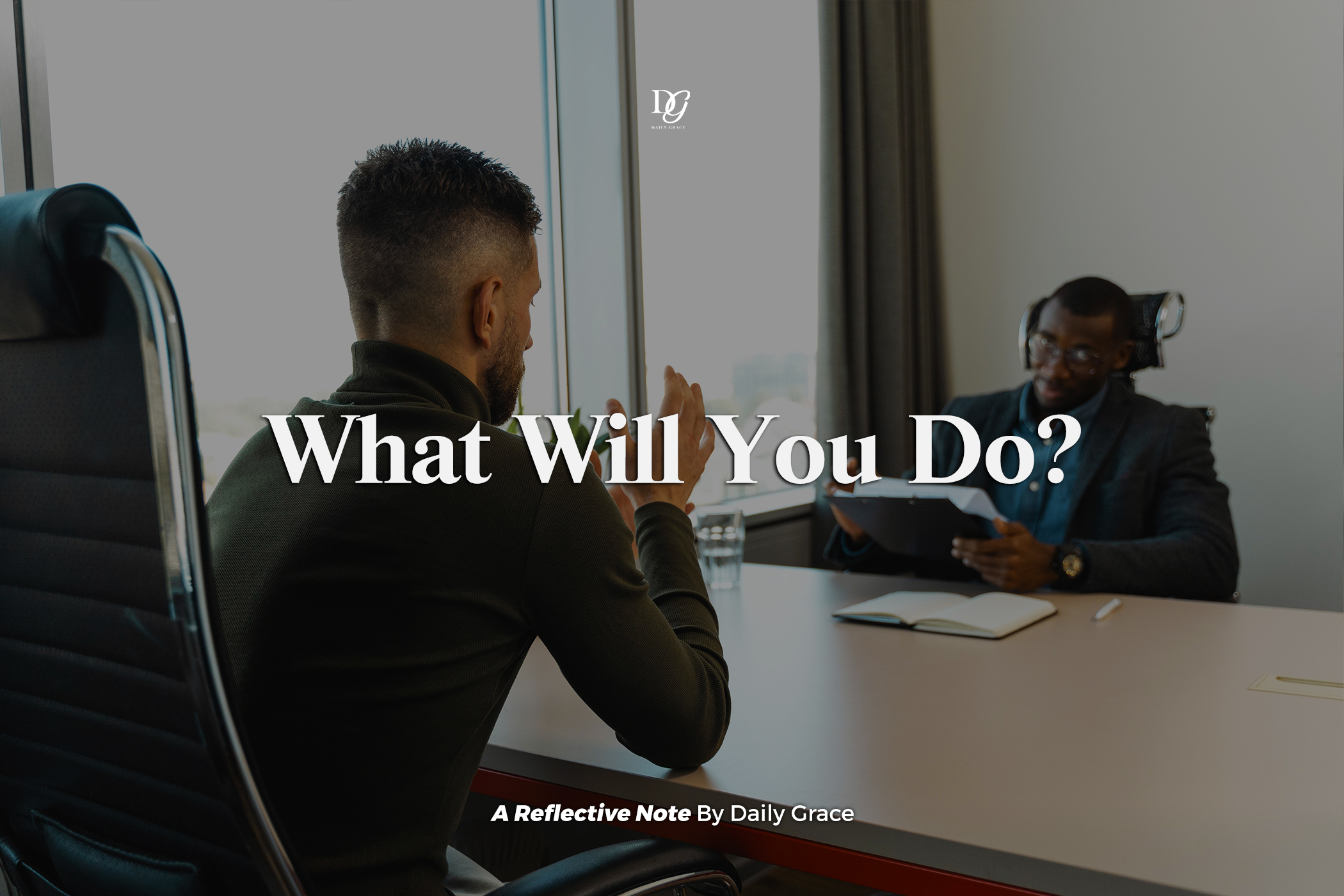
The room went strangely quiet when the young woman realised that the person holding her opportunity was also the person who could take it away. She had been recommended for a position she desperately needed, and everyone knew who had opened the door.
At first, the relationship felt like a blessing. Her benefactor checked on her, offered advice, introduced her to influential people and occasionally helped with expenses. However, along the way, the language changed. Almost every decision she made was questioned. Her associations were under strict scrutiny. A favour had quietly become leverage.
She was grateful, but she was no longer completely free. What began as generosity had created a power imbalance. What happens when the hand that lifts someone also expects to control where they stand? What will you do in such situations? These are the questions that I kept asking.
I realised from this story that there is a dangerous temptation to confuse gratitude with ownership. Someone may genuinely appreciate what I have done for them, but their gratitude does not give me permanent access to their choices. If I helped someone get a job, I do not own their career. If I paid someone’s school fees, I do not own their future.
Just because I helped someone doesn’t make me the author of every decision they make afterwards. Help can create gratitude without creating possession. The moment I begin using what I gave yesterday to control what someone does today, my generosity has crossed into something else.
The ethical responsibility of having power, therefore, is not simply to use it. It is to use it without abusing it. If I have access, I should create access. If I have knowledge, I should share knowledge. If I have influence, I should open doors that others could not easily open themselves. But I should also make sure the door does not become a chain.
There is also a social dimension to this that I cannot ignore. In societies where opportunities are unevenly distributed, a recommendation from the right person can change someone’s life. A scholarship, introduction, job referral, business connection or financial contribution can move someone across a barrier that talent alone could not cross.
That makes influence a responsibility. If I have access that others lack, I should not treat it merely as personal currency. I should ask who is being excluded, who deserves an opportunity and how I can use my position to widen the circle. Privilege becomes most meaningful when it becomes a pathway for someone else, not merely a private advantage I protect.
I also want to remember that power can be transferred. The person I help today may one day have a greater influence than I do. That should not frighten me. It should excite me. If I have genuinely helped someone rise, their rise is not my defeat. Their influence can become another channel through which goodness reaches people I could never reach.
The best use of power is not to make myself permanently necessary. It is to multiply the number of people capable of doing good. The young woman’s story has taught me that having power to help someone is both a privilege and a responsibility. To me, the most beautiful form of goodwill is possessing the power to influence someone’s life and choosing to use that power in a way that leaves them freer, not smaller.
Ready to turn goodwill into action?
Tap on the link https://teamdailygrace.com/projects to partner with us and support Daily Grace community projects.
©️ No Copyright infringement intended.
PS: Kindly Follow our WhatsApp Channel for more engaging content.
One response to “What Will You Do?”
Powerful write-up ✍️