Like several other people, Amos struggled in a long season of unemployment and financial struggle, until he finally secured a job. The salary was modest, but it was enough to begin rebuilding his life. During those difficult years, he had borrowed money from family, friends, and even quick loan services just to survive. The debt weighed heavily on him, and he made a promise to himself: once the salary started coming in, he would dedicate a portion every month to clearing what he owed until he became financially free.
Yet, when he received his first salary, the very first major purchase he made was a new phone. Not because his old one was broken nor because he urgently needed it for work. He bought it because everyone around him seemed to be carrying newer devices. He wanted something that matched the world he was seeing around him. Something that would make him feel current and reduce the subtle intimidation he felt whenever he compared himself to others.
The surprising part is that it did not stop there. Month after month, he made new purchases without settling the loans. The debt remained, but so did the desire to keep up. Instead of paying off yesterday’s burdens, he kept financing today’s image.When he reflected on it later, he admitted that what he wanted was never really the phone. What he wanted was relief. Relief from feeling behind. Relief from appearing unsuccessful. Relief from carrying visible signs of struggle in a society that increasingly celebrates appearance over reality. The phone was simply the symbol.
His story felt significant because it revealed something many of us rarely admit. We often think our spending decisions, lifestyle choices, and habits are driven by practical needs. Yet underneath many of them lies a deeper emotional desire to belong, to be respected, to avoid embarrassment, or to feel relevant in a rapidly changing world.
This is one of the hidden psychological forces behind modern living. Human beings are deeply social creatures. We naturally compare ourselves to others. Long before social media existed, people measured their standing within communities. But today’s world has amplified that tendency.
Through our phones, we are constantly exposed to curated lifestyles, success stories, fashion trends, luxury experiences, and cultural standards from every corner of the globe. We are no longer comparing ourselves only to our neighbours; we are comparing ourselves to entire digital realities.
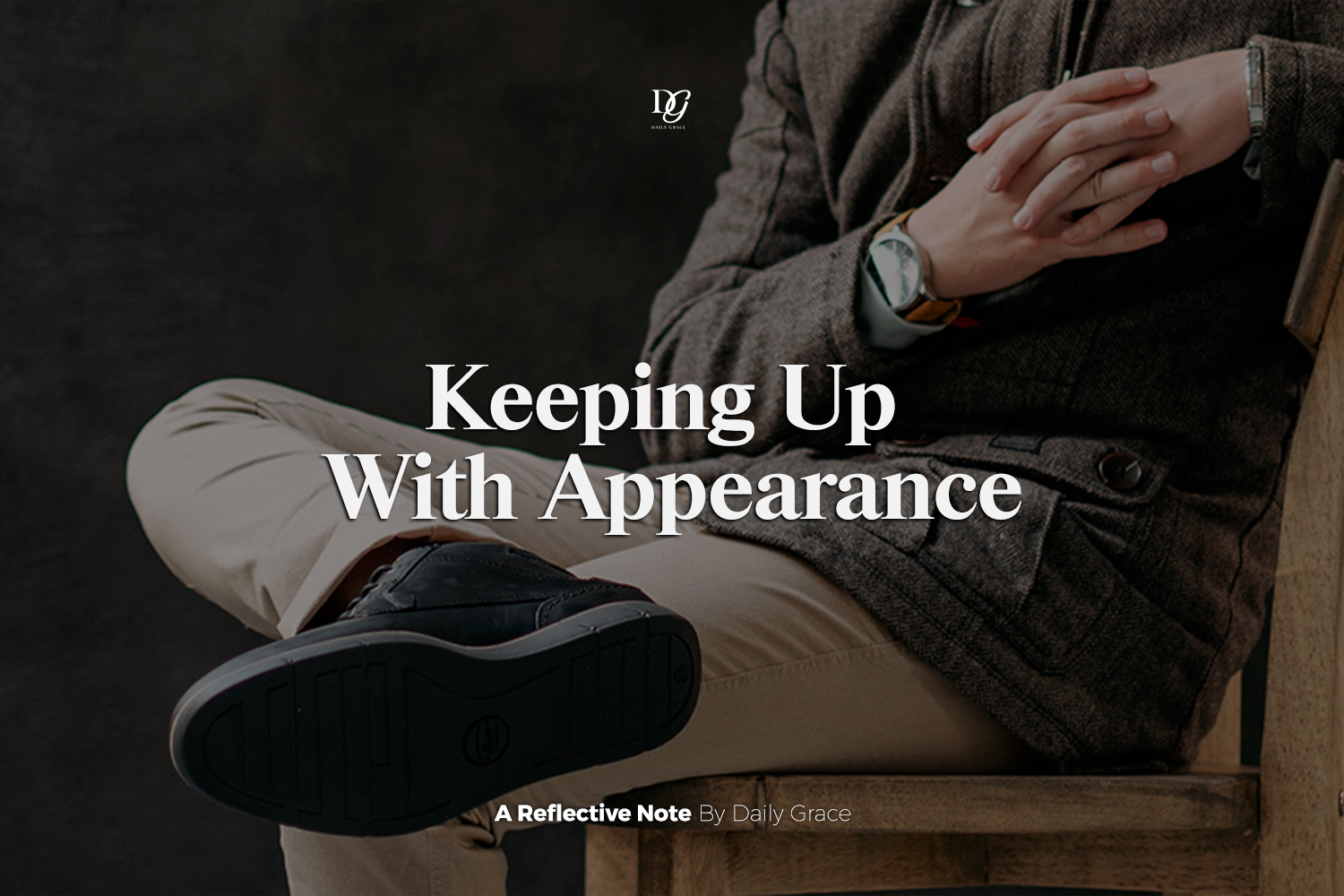
There is also a social cost to appearing ‘behind.’ The result is a strange contradiction: people may look prosperous while privately struggling, borrowing, stressing, and sacrificing future stability to maintain present appearances.
Perhaps the deeper lesson is that there is a difference between growth and display. Growth strengthens your foundation. Display enhances your image. One builds tomorrow; the other seeks validation today. The wisdom lies in knowing which one is driving your decisions.
Looking back, my friend often says he wishes he had celebrated differently. Many of us are navigating the same tension. We want to grow, but we also want to belong. We want financial wisdom, but we also want social acceptance. Neither desire is wrong. The challenge is ensuring that our need for approval does not become more powerful than our commitment to our future.
True modernity may not be found in owning the latest thing. It may be found in having the confidence to choose what aligns with your reality, your values, and your long-term well-being, even when nobody applauds it.
©️ No Copyright infringement intended.
PS: Kindly Follow our Whatsapp Channel at for more engaging content.