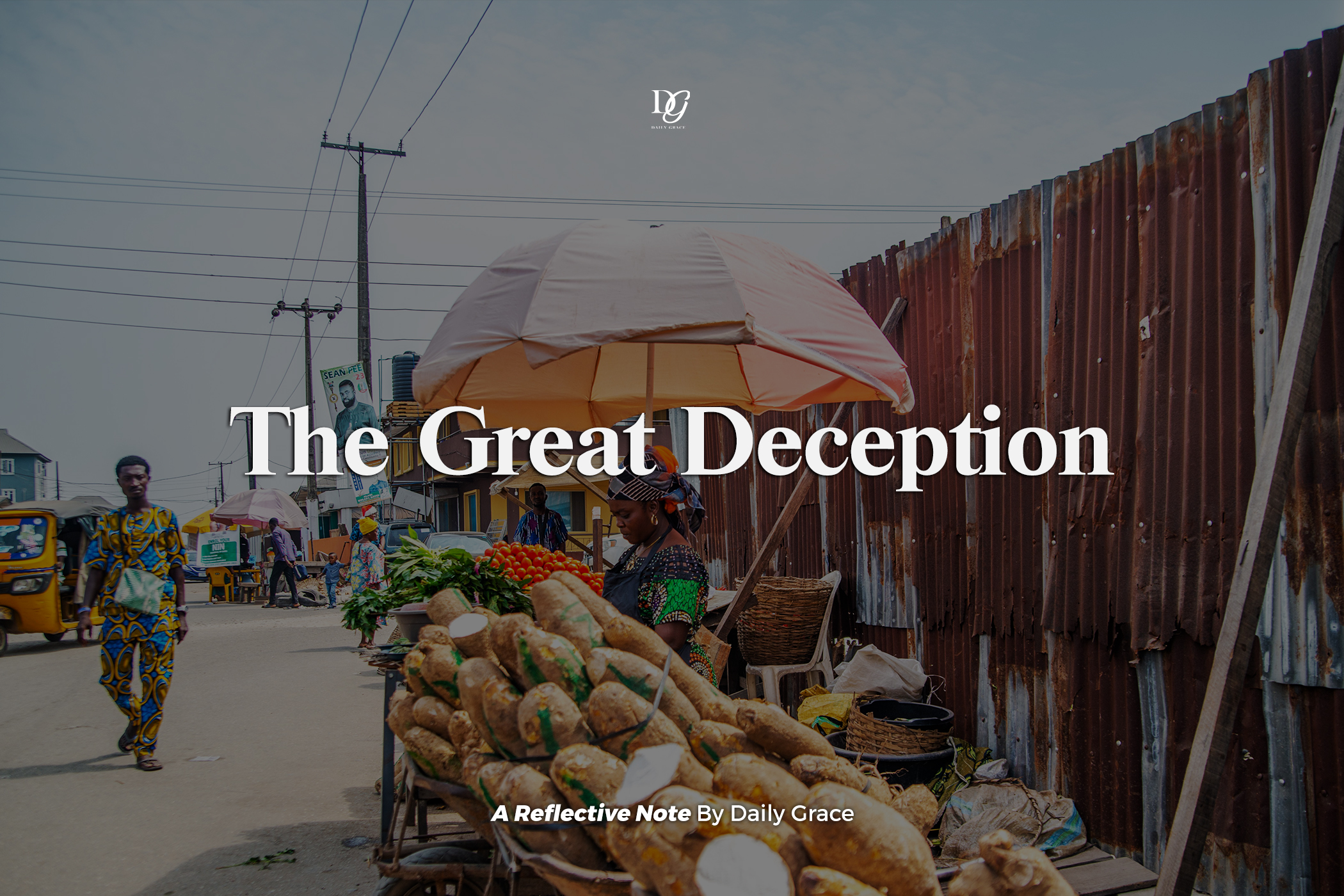
Every morning, at almost the same time, Auntie Kabraba carefully arranged her vegetables before sunrise. She would greet every passer-by with kindness, dust her wooden table whenever the wind covered it with sand, and patiently waited for customers.
I observed some people walk past her as though she did not exist. Others bargained so aggressively that they spoke to her in ways they’d never dare speak inside a supermarket. I saw a few people tossed money onto the table instead of placing it into her hands.
Yesterday, as I passed by the roadside, as her usual routine, Auntie Kabraba was almost done with her set up. We exchanged greetings and spoke about life for a while. Just when I was about to leave, an SUV arrived. A young man ordered the elderly woman to bring him some vegetables while he was comfortably sitting in his car.
After she was done, she said, “My son, you see that young man in the car? I was here selling before he was born. Imagine this boy commanding me like this because of something small he was buying. So will I be here always for all these new born babies to grow up and still meet me here the same? Don’t I also deserve good things? I am destined to be sitting under this scorching sun to be hustling for coins always?” she in tears, expressed her frustrations.
Immediately, I began noticing the invisible story poverty was telling about her identity. This elderly woman had become familiar to everyone, yet very few seemed to recognise her humanity. Her poverty had become the first thing most people saw. This experience broke my heart.
As I thought about what had transpired, it dawned on me that when people repeatedly experience financial hardship, they often battle with false stories in their subconscious minds. They begin declining opportunities because they expect rejection. Some stop dreaming because disappointment has become the order of the day. Others even apologise for being in spaces they belong.
In fact, sometimes, poverty itself is not the author of those false stories. Mostly, such lies come from our own minds, other people, systems, and cultures. We often admire wealth so intensely that we unconsciously assume it reflects greater intelligence, discipline, or value. We tend to reduce those with fewer resources to stereotypes without knowing their stories.
The greatest deception poverty tells is that it has the power to rename the human soul. I do not believe in that lie. I believe a person may lack money and still overflow with practical wisdom. Someone may own little and still possess extraordinary character. One may be struggling today and still carry immeasurable potential for tomorrow.
In the end, poverty is a condition; not a definition. It may describe a chapter of one’s life, but it should never become the title of someone’s story. Like Auntie Kabraba, many feel they are lagging behind or they have failed woefully because of their current condition. However, I am here to say irrespective of the situation, let’s keep faith and hope alive, and trust the process of becoming.
©️ No Copyright infringement intended.
PS: Kindly Follow our WhatsApp Channel for more engaging content.