A few days ago, I found myself thinking about a cousin whose life has quietly become a lesson I never expected to learn. She is a single mother raising her children with the help of her ageing mother.
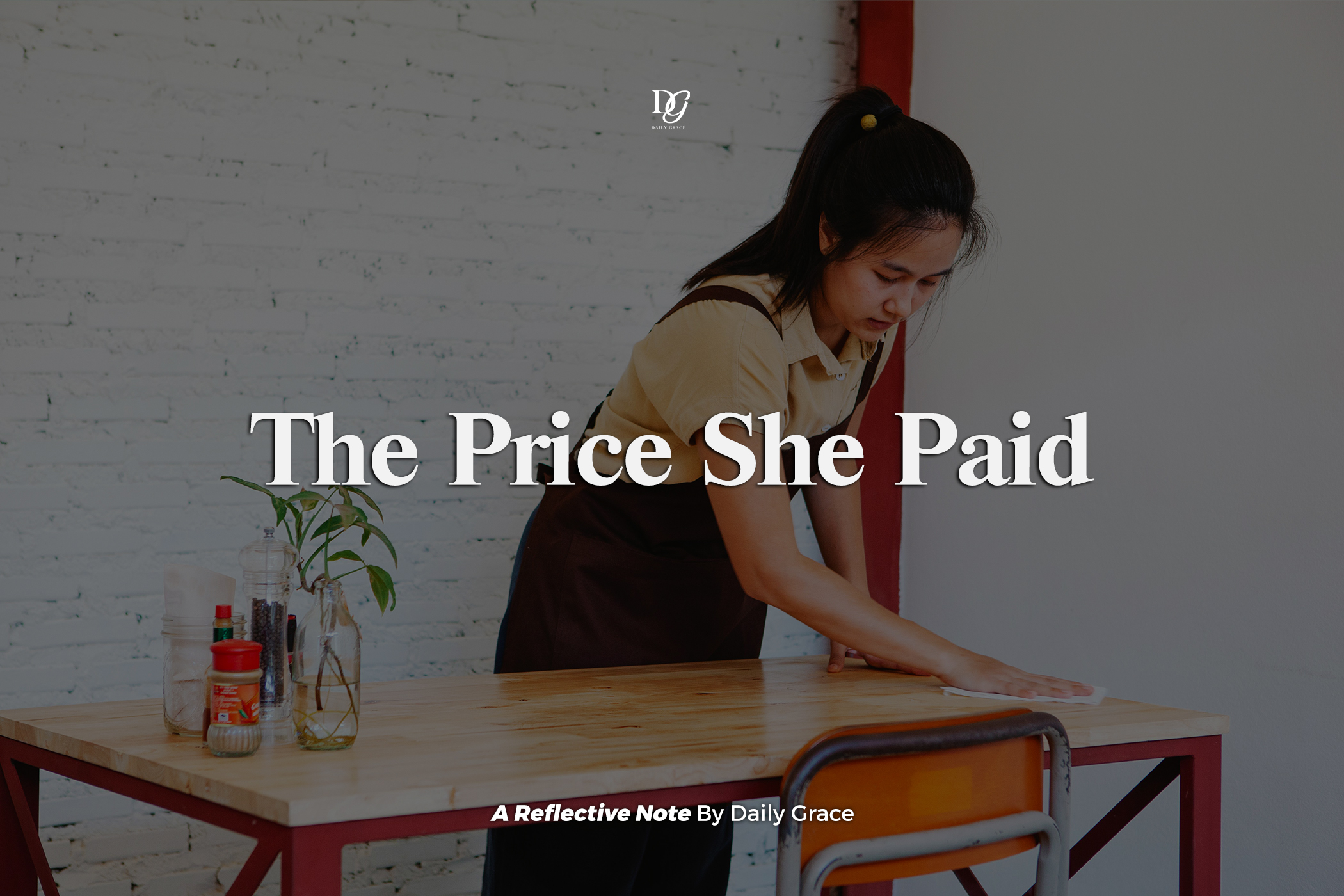
Every weekday, and even on Saturdays, she leaves home before dawn to work at a local eatery. By the time she steps out, her children are still asleep. By the time she returns, they are asleep again. Six days every week, from six in the morning until six in the evening, she gives her strength, her time, and her health to a job that pays less than three thousand cedis a month.
There are no allowances, no meaningful benefits, rigid work conditions, and a supervisor whose expectations leave little room for compassion. Yet every Monday, she reports to work again. Not because she enjoys it, but because, at least for now, it is the only way she knows to keep food on the table and her children in school.
It is quite easy to judge people’s choices when we have never carried their burdens. From a distance, someone may ask, “Why doesn’t she quit?” But hunger has a way of changing the questions people ask.
When rent is due, school fees are waiting, and children depend entirely on you, survival often becomes more important than preference. The decision to remain in a difficult environment is not always a lack of courage. Sometimes, it is the painful mathematics of responsibility.
That thought unsettled me because it exposed something larger than one woman’s story. It revealed how poverty quietly negotiates away dignity. When options are few, people begin accepting conditions they would have rejected under different circumstances.
They tolerate insults because they need the salary. They ignore unfair treatment because unemployment feels even more frightening. They silence their exhaustion because someone else is waiting to take their place. In such moments, work stops being a place where people contribute their gifts; it becomes a place where they simply endure.
Economic pressures are real, especially in our part of the world. Yet difficulty should never become permission to forget humanity. Every employee carries a story that is invisible to customers and colleagues. Behind every uniform is someone caring for children, supporting parents, paying debts, or fighting private battles. Human dignity begins to disappear the moment people become nothing more than labour costs, production targets, or easily replaceable hands.
My cousin’s story has stayed with me because it reminds me that dignity is not only protected by laws; it is protected by the everyday choices we make. It is protected when leaders treat workers with fairness, when businesses remember that profit and compassion can coexist, when communities create opportunities instead of taking advantage of desperation, and when individuals refuse to believe that hardship determines their worth.
This reflection should leave you with one conviction that should always challenge you. Sometimes surviving is necessary, but surviving should never become the ceiling of our lives. We owe it to ourselves and to one another to keep building towards environments where people are not merely useful, but genuinely valued.
©️ No Copyright infringement intended.
PS: Kindly Follow our WhatsApp Channel for more engaging content.