One of the most painfully unforgettable moments of my life happened in January, 2020. My father had been admitted to the hospital and had remained unconscious for several days.
Those days felt heavy. Every morning began with uncertainty and ended with exhaustion. I spent most of my time sitting beside his bed, watching machines, listening for updates, and hoping for signs of improvement. When someone you love is unable to speak, move, or even respond to your presence, you become acutely aware of how fragile life really is.
One morning, after the doctor’s routine rounds, I was instructed to take my father for an ECG. It sounded straightforward enough, except for one reality: my father was unconscious. He could not sit up, he could not stand, he could not assist in any way.
A stretcher trolley was available, but first he had to be moved from the hospital bed onto it. I looked around and noticed a male nurse nearby. Since he was on duty and appeared available, I approached him and politely asked if he could help me lift my father onto the stretcher.
What happened next caught me completely off guard. He looked directly at me and simply said he could not help. No explanation or apology. No attempt to offer an alternative. Just a refusal.
For a moment, I stood there stunned. It wasn’t merely because he declined. It was because his response seemed so disconnected from the very reason we were all there. My father was unconscious. I was struggling. The task required assistance. Yet the one person I assumed would naturally step forward chose not to.
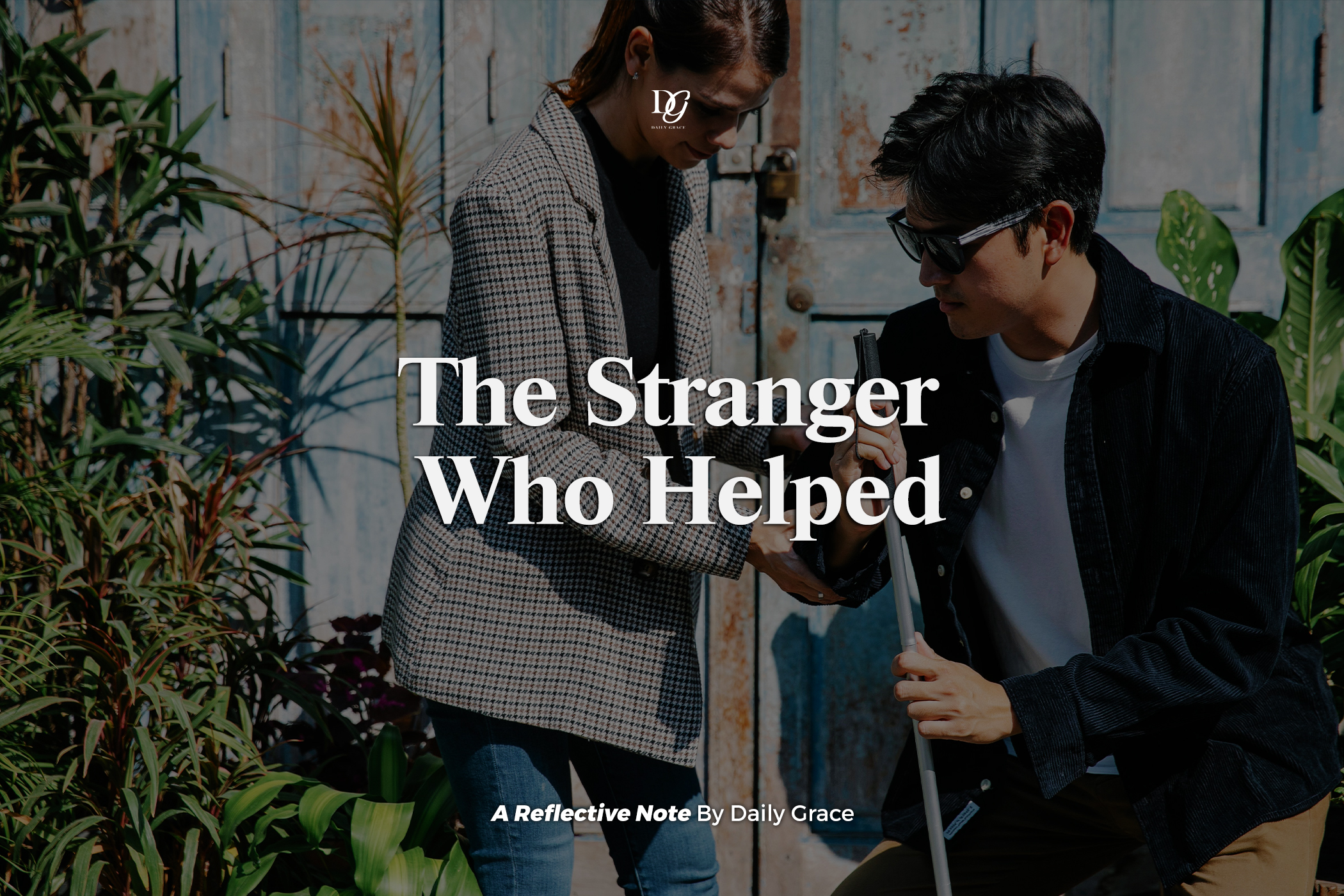
Fortunately, I noticed another young man visiting a patient in the ward. I explained my situation and asked for help. Without hesitation, he agreed. Together, we lifted my father onto the stretcher trolley and completed the transfer. The ECG was done. A few days later, my dad kicked the bucket. But life moved on. But something in me never fully left that room. To this day, I have never returned to that hospital.
For a long time, I believed my disappointment was directed solely at that nurse. I felt he had forgotten his purpose. I felt he had forgotten why hospitals exist. Hospitals are not built for staff. They are built for patients. Every corridor, bed, machine, form, and policy exists because somewhere a human being needs care. In that moment, it felt as though the system had forgotten the very people it was created to serve.
One of the dangers of working within any system is that people gradually become invisible. A teacher may begin seeing students as grades. A manager may see employees as productivity targets. A government official may see citizens as paperwork. A pastor may see congregants as attendance figures. A healthcare worker may see patients as bed numbers.
And when that happens, something essential is lost. The person standing in front of us is no longer a human being with fears, hopes, struggles, and loved ones. They become an interruption, a burden, a task to process and a problem to manage.
What I experienced in that hospital is not limited to hospitals. It appears everywhere. It appears when customer service agents treat people with indifference. It appears when employers exploit workers because jobs are scarce. It appears when institutions create rules that make life harder for the very people they claim to help. It appears whenever power, however small, becomes disconnected from responsibility.
Human dignity suffers whenever systems prioritise efficiency over humanity. Yet what remains remarkable about that day is not the nurse who refused. It is the stranger who helped. The young man had no obligation to assist me. He was not being paid. He was not assigned to my father’s care. He owed us nothing. Yet he stepped forward.
His action reminded me that while institutions matter, dignity is ultimately protected by people. One compassionate decision can restore what an entire system has neglected. One act of kindness can remind someone that they are seen. One moment of humanity can soften an experience that might otherwise become unbearable.
That realisation has stayed with me far longer than the disappointment. Whenever I think about dignity today, I think about the countless opportunities we have each day to either affirm someone’s humanity or overlook it. Perhaps the greatest test of dignity is not how we treat people when helping them is convenient. It is how we treat them when we have the power to ignore them.
That hospital experience taught me something I continue to carry: every system was created for people, but people can easily become secondary once the system begins protecting itself. The challenge, then, is not merely to build better institutions. It is to remain human within them. Because dignity is preserved whenever we remember that behind every request, every file, every bed, every queue, every complaint, and every struggle is a person whose life matters as much to them as ours does to us.
And sometimes, honouring that truth begins with something as simple as helping someone lift a father onto a stretcher trolley.
©️ No Copyright infringement intended.
PS: Kindly Follow our WhatsApp Channel for more engaging content.