Some years back, a group of colleagues and I underwent a compulsory assessment as part of our programme at a higher institution. Like every student, we waited our turn, followed instructions, and tried to complete the process as smoothly as possible.
Yet from the moment we arrived, the lady coordinating the exercise spoke to us with an air of irritation. Her words were sharp, her tone dismissive, and her manner suggested that we were inconveniencing her simply by being there. It was uncomfortable, but because we were students in that setting, many of us quietly endured it.
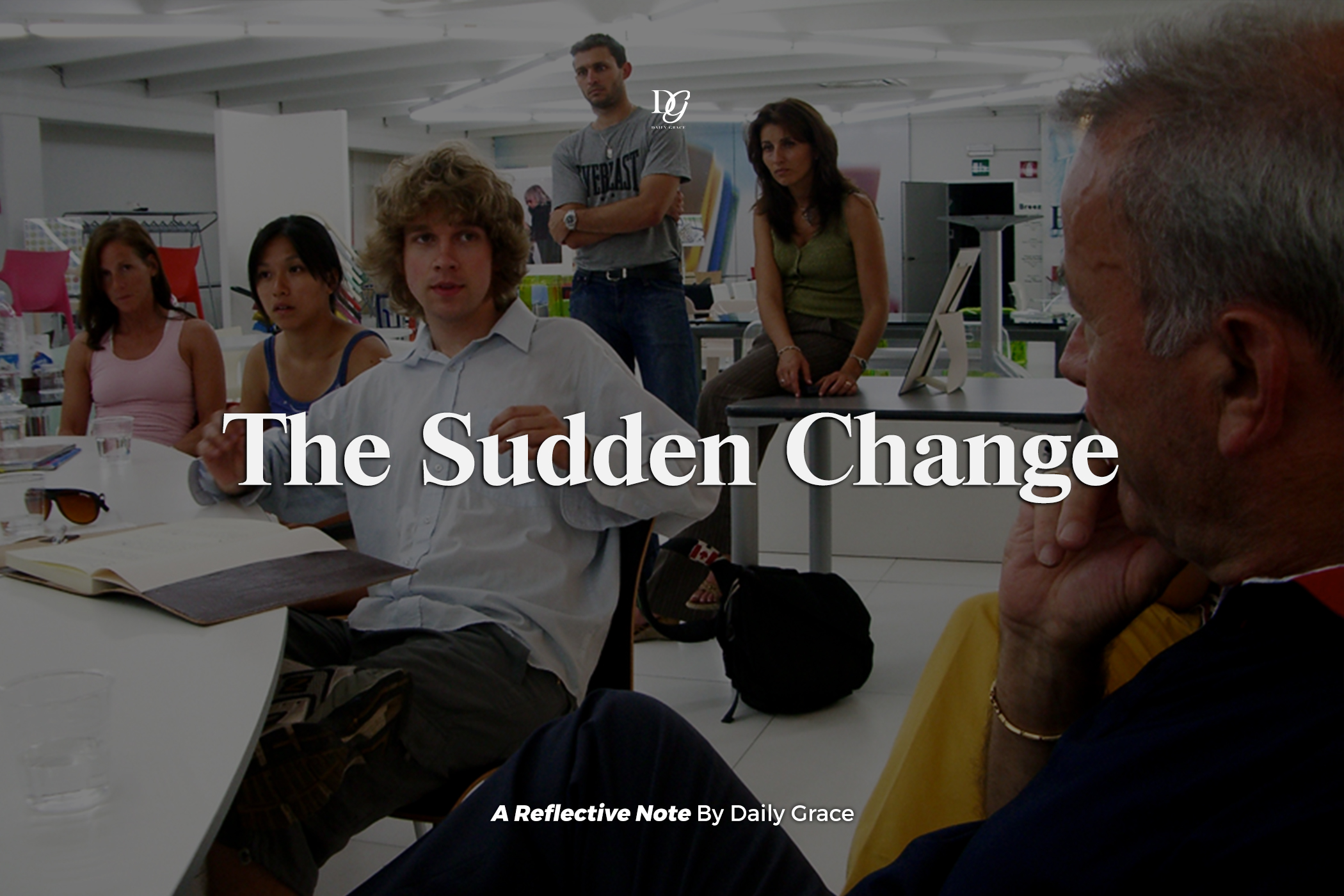
Then something unexpected happened. A senior staff member walked by, I heard the lady refer to him as ‘boss’. He noticed one of my colleagues and immediately offered her a respectful salute. It turned out he knew my colleague, who was a senior-ranking police officer.
In an instant, the atmosphere changed. The same lady who had moments earlier spoken to all of us harshly suddenly became courteous, attentive, and remarkably polite. Nothing about my colleague had changed in those few seconds. The only new information was her rank.
I wondered how often we unconsciously decide who deserves respect based on what we know they possess, what title they carry, or how much influence they seem to have. If she had known from the beginning that she was a senior officer, would we all have been treated differently? More importantly, why should anyone have to reveal their status before they are spoken to with kindness?
Honestly, authority can become a dangerous disguise. Sometimes it quietly convinces us that the people beneath our supervision deserve less patience, less courtesy, and less humanity.
Well, it is not even surprising. Human beings often respond to perceived status. We instinctively become more careful around those who can reward us, promote us, punish us, or influence our future. Similarly, we sometimes reserve our best manners for those we fear or admire, while giving our worst attitudes to those we believe have little power to respond. Respect becomes a transaction instead of a principle.
Dignity is not something a uniform creates or a position confers. It is not earned by wealth, education, titles, or social standing. Every person possesses inherent worth simply because they are human. Titles may deserve recognition, but humanity deserves respect. When authority becomes an excuse for disrespect, we have misunderstood both authority and dignity. Real authority should enlarge our capacity to serve, not our appetite to dominate.
Never forget that positions change, uniforms come off, offices are vacated, and titles are eventually handed to someone else. But the memory of how we made people feel often outlives every achievement. Be the kind of person whose kindness does not depend on another person’s status, and whose respect is not activated by rank but guided by conviction. Human dignity calls us to see the person before we see the position.
©️ No Copyright infringement intended.
PS: Kindly Follow our WhatsApp Channel for more engaging content.